Blog

  • How Gary Vaynerchuk Shook Up Advertising Week Europe: 5 Key Takeaways for Marketers

    How Gary Vaynerchuk Shook Up Advertising Week Europe: 5 Key Takeaways for Marketers

    “You cannot be emotionally attached to any distribution channel in marketing.”


    That was one of Gary’s key messages at Advertising Week Europe—and it perfectly summed up the platform agnostic marketing strategy he’s been pushing for years.

    The spring sunshine lit up 180 Strand, and the place was buzzing with energy and top-tier speakers. In just a few hours, I sat in on Gary’s exclusive masterclass, his CMO Now interview with CNBC, and his keynote with Advertising Week President Ruth Mortimer.

    Here are the five moments that stood out most.

    I don’t think anyone expected an OG influencer and content creator to say, “I don’t put social media on a pedestal.” But here’s the thing: social media is where people are spending most of their time and attention. So, as marketers, we need to meet them where they are. It’s the richest source of insights you’ll find—on your brand, your content, and your campaigns.

    Until that shifts, social is where we need to be. The real key isn’t getting emotionally attached to the platform itself—it’s being emotionally invested in getting the best return on your time and money there.

    If £1million adspend was our own, family money, we wouldn’t spend it the way a traditional advertising agency does.


    I wish more marketers would embrace this mindset. Yes, the craft of advertising is valuable and should be treated with care, expertise, and respect. The people behind the work deserve to be paid well for their brilliant ideas.

    But it’s all about being consumer-centric and smart with where we invest. The old ways of reaching people—TV, OOH, and print—can still work for some brands. Our reality is that a single organic social post, sometimes not even from the brand itself, does more for product sales than traditional advertising in a matter of days. And this happens every week.
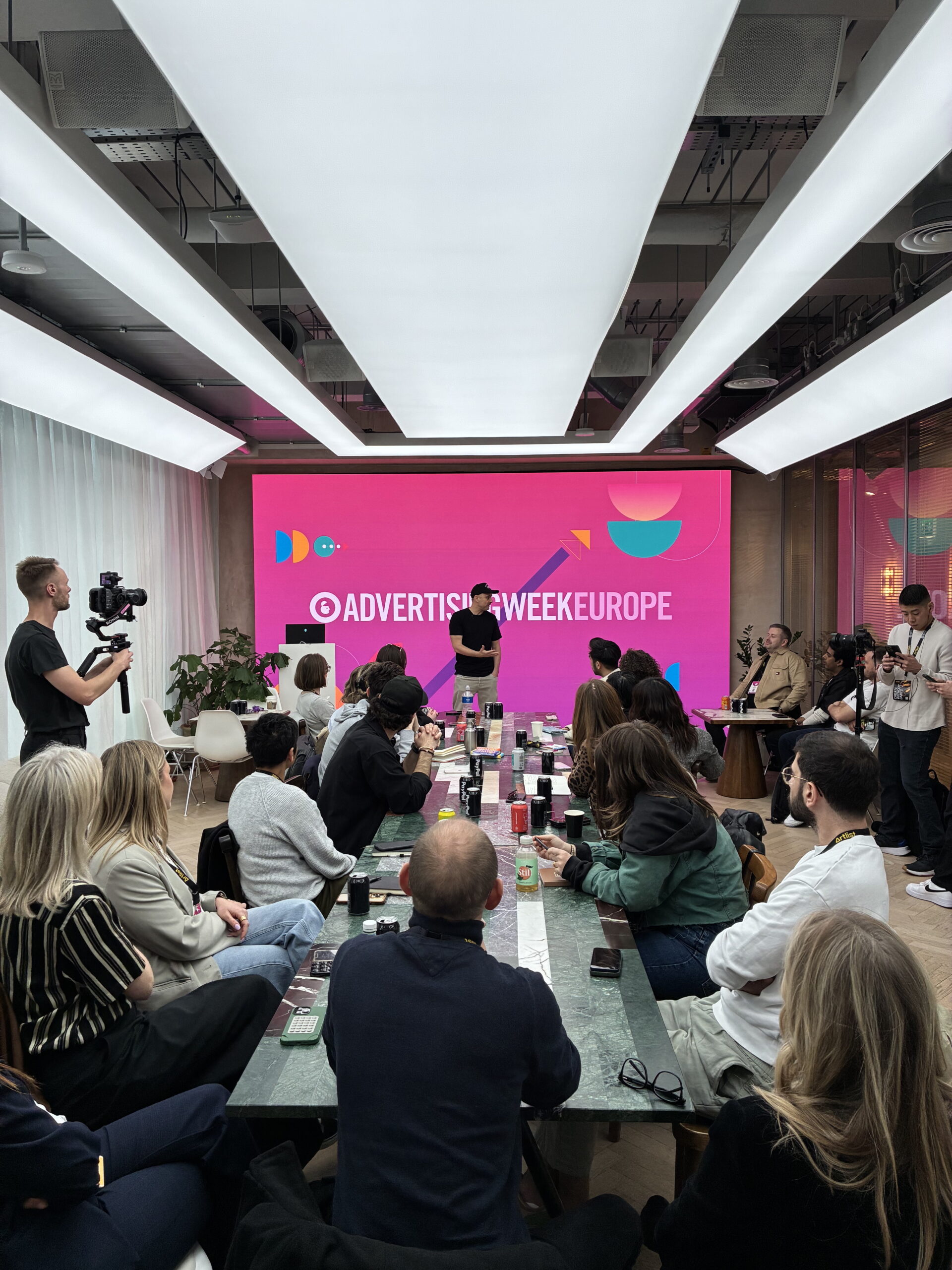
    Missed Advertising Week Europe? Check out our full recap.

    “If you post on social and you get 16 views, you f****** suck!”


    Gary’s blunt humor got a laugh, but the point couldn’t be clearer. The truth is, social media is the best platform for getting real-time feedback on your creative. If people like what you’re posting, they’ll engage with it—likes, comments, shares. That’s how you know if your content is working.

    The real magic is when something performs, you can put your media spend behind it and watch it thrive. No more guessing or gambling on something untested. You just tweak, adjust, and optimize until you’ve got something that works.

    The tried and true principles of marketing still exist 

    Learning how to do some things in a new way doesn’t mean we have to throw out everything. The fundamentals of relevance, consideration, product, and price are all still hugely important.

    The difference now is that with social media, we can measure and track relevance in real-time. If something’s working, you double down. Social can provide so much information for you to use. But it doesn’t mean it’s the only thing you need to nail to make a sale. 

    It’s a really exciting time to be in our industry – and we should be proud of it


    Not long ago, ideas like the “attention economy” or “creating at the speed of culture” felt new. Last week, I watched senior leaders from banks, startups, and the platforms themselves speak as if those ideas were now central to how brands grow.

    There’s still work to do before social truly sits at the center of every marketing strategy—but it’s clear that more CMOs are waking up to its value. 

    We hear a lot about creative talent leaving the industry, or that the work isn’t what it used to be. But what I saw at Advertising Week Europe was different: a room full of passionate, sharp, and forward-thinking people who care deeply about the future of marketing.

    So instead of dwelling on what’s lost, I’m choosing to be energized by what’s next. Because if last week proved anything, it’s that this industry still has plenty of spark—and we should be proud to be part of it.

  • How MiraLAX Made March Madness about #2

    How MiraLAX Made March Madness about #2

    Some brands play it safe. MiraLAX plays to win. 

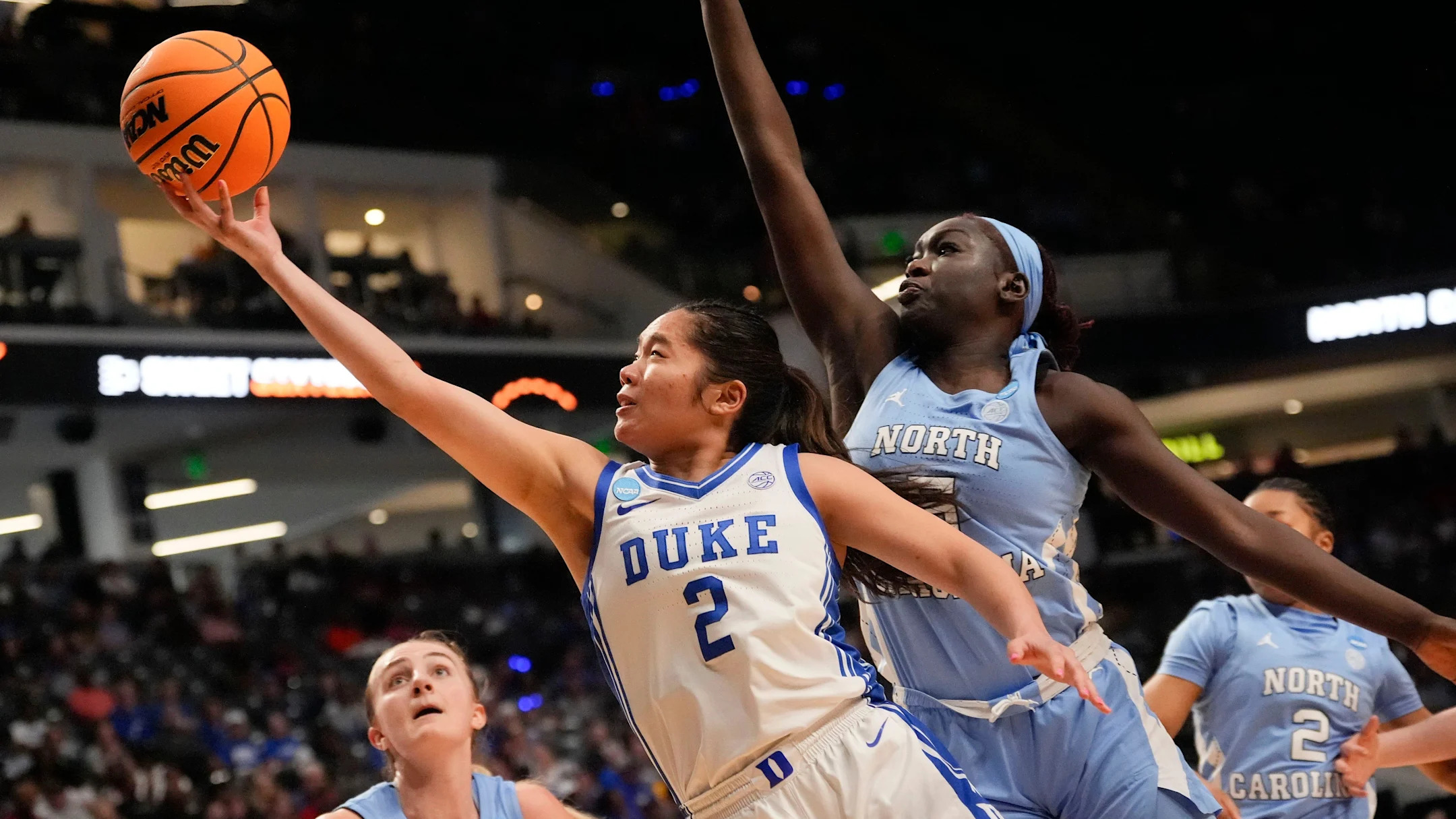
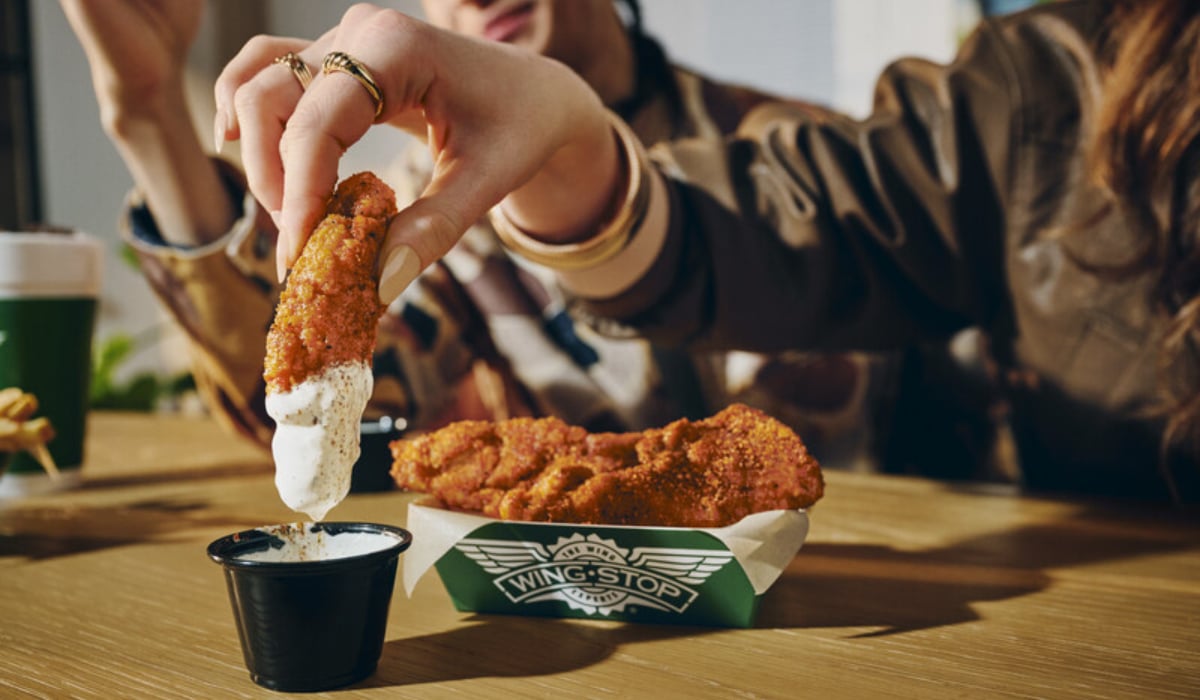
    This March Madness, the brand took a bold and unexpected approach to launch MiraFAST, its new fast-acting constipation relief product. The strategy was to partner with #2 players in the NCAA Women’s Sweet 16 for a lighthearted yet impactful sponsorship of #2 players in the NCAA Women’s Sweet 16, proving that staying on top of #2 helps you stay #1.

    Turning Tummy Troubles into Game-Day Wins

    Digestive issues can derail even the best athletes, and social data showed they’re talking about it more than you’d think. That insight sparked the campaign’s big idea: celebrate the #2s—both on the court and off—by partnering with standout players like KK Arnold (UConn), Vanessa de Jesus (Duke), Ruby Whitehorn (Tennessee), and Grace Townsend (UNC). The result was a campaign that turned an everyday problem into an unexpected sports moment.

    Bringing the Heat on Social

    MiraLAX, Bayer, VaynerMedia, and VaynerSports teamed up to craft a campaign that thrived on social media. TikTok and Instagram Reels became the primary playing fields, where short-form, high-energy content showcased athlete partnerships, product benefits, and game-day gut check moments. A mix of humor-driven creative and performance-driven messaging made the content both relatable and shareable.

    Fans (and Athletes) Ate It Up

    The response was immediate. Fans loved the humor, athletes embraced the real talk about digestive health, and engagement outpaced expectations. The combination of sports culture, a universal human truth, and the perfect dose of irreverence made this campaign stand out in a sea of March Madness marketing.

    How to Win With a Wild Idea

    MiraLAX’s campaign proves that even regulated categories can tap into cultural moments in fresh ways. By leaning into humor, smart athlete partnerships, and a social-first approach, the brand found a way to make gut care a winning conversation during one of the biggest sporting events of the year.

    Keeping the Momentum Rolling

    With the success of this activation, MiraLAX is already exploring new ways to bring digestive health into more unexpected spaces. Because if there’s one thing this campaign proved—it pays to embrace #2.

    See what Sports Illustrated Had To Say About It!

    Read the article

    Catch what Adweek is saying about the campaign.

    Read the article
  • Muslim Voices in Marketing & Media: A Reality Check

    Muslim Voices in Marketing & Media: A Reality Check

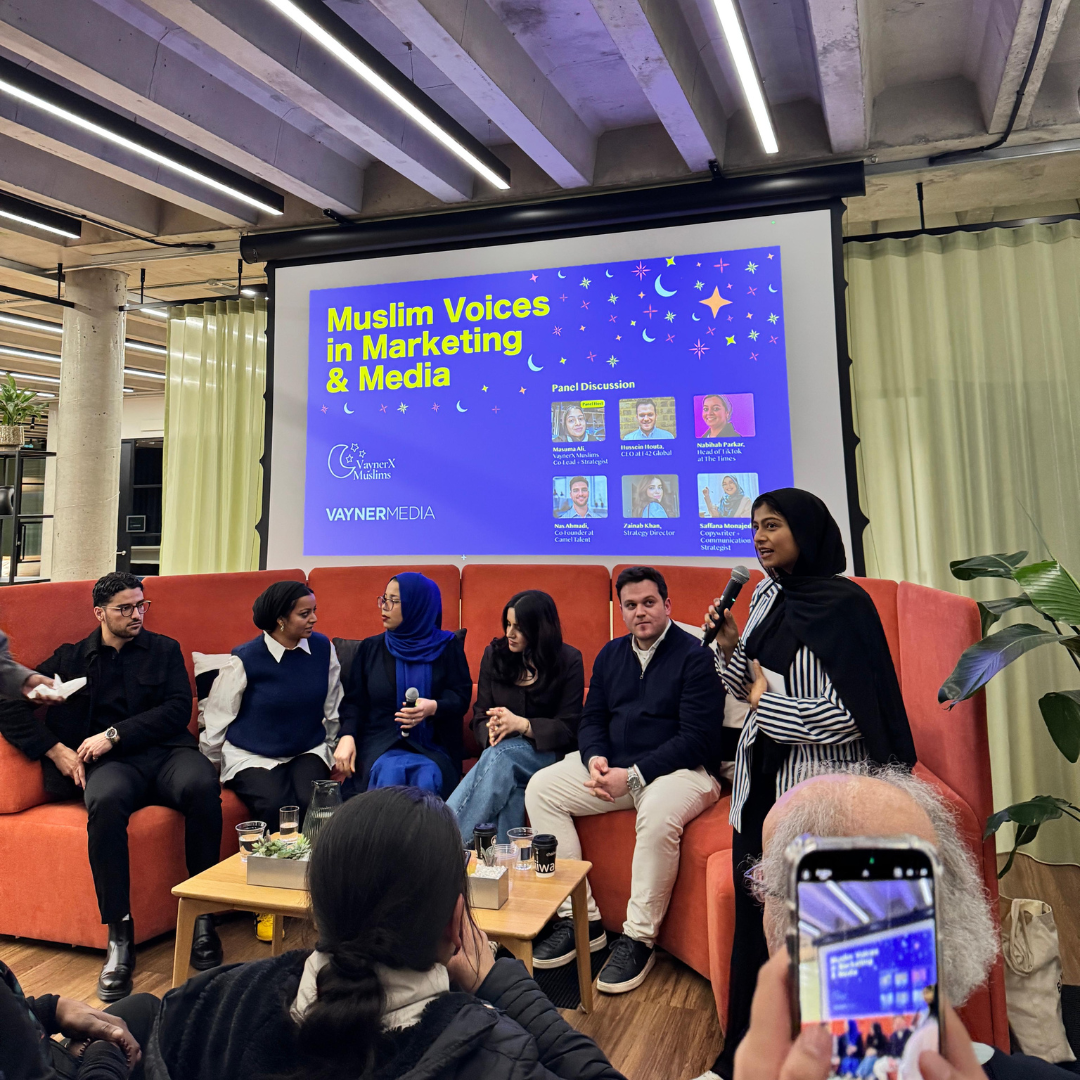
    During Ramadan, a month of reflection and community, it’s vital to move beyond performative gestures. That’s why I put together ‘Muslim Voices in Marketing & Media,’ a candid conversation about the realities of Muslim representation. This panel, featuring industry trailblazers, wasn’t just another discussion—it was a much-needed reality check, exposing the surface-level marketing that often misses the mark. 

    Last night’s Iftar and panel featured:

    The conversation doubled down on some hard truths: marketing aimed at Muslim audiences feels performative and driven by commercial motives. So we created a safe space for honest dialogues, a space where we could redefine what authentic engagement looks like in our industry and, frankly, call out the BS.

    Key Takeaways: Beyond Ramadan Campaigns

    Here’s what we learned:

    • Ramadan is Not Just a Marketing Holiday: Brands, stop treating Ramadan as a mere sales opportunity. It’s about community, not consumption. Support grassroots initiatives instead of just pushing products.
    • Year-Round Engagement Matters: Muslim consumers are savvy. They see through performative gestures. Show up all year, not just during Ramadan.
    • Diversity Behind the Scenes: True representation starts in your teams. If there are no Muslims in your creative departments, boardrooms, or decision-making spaces, your efforts will always ring hollow.
    • Ethical Marketing is Non-Negotiable: Saffana Monajed nailed it: “If your supply chain is garbage, consumers will sniff it out.” Ethical practices aren’t a trend; they’re a responsibility.
    • Muslims Are Not a Niche: With over $3 trillion in global spending power, brands need to look beyond seasonal campaigns. Long-term engagement is key.

    As Kostie Kontorravdis put it, “Far too many panels feel like an echo chamber of similar opinions. But yesterday’s panel was full of hard truths, conflicting opinions, personal stories, debunked myths, and beautifully insightful learnings about a massively underrepresented community.”

    A Buzzing Q&A and Empowering Conversations

    The energy in the room was electric. The panelists’ contributions sparked incredible conversations, with the audience chiming in at every opportunity. The Q&A session was a true highlight, buzzing with insightful back-and-forth discussion from a super engaged audience. It was amazing to see the impact of hosting a safe space where Muslim voices felt empowered to share their honest thoughts and opinions—something we desperately need more of in our industry.

    It’s clear: we need more Muslims at the table, not just during Ramadan, but year-round. This event was a step towards building a more inclusive industry, reflecting the very essence of DEI that we champion, and ensuring that the values of community and authentic representation, especially highlighted during Ramadan, continue to drive our efforts.

    —Masuma Ali, Creative Strategist and VaynerMuslims Co-Lead, VaynerMedia EMEA

    ramadan muslim marketing